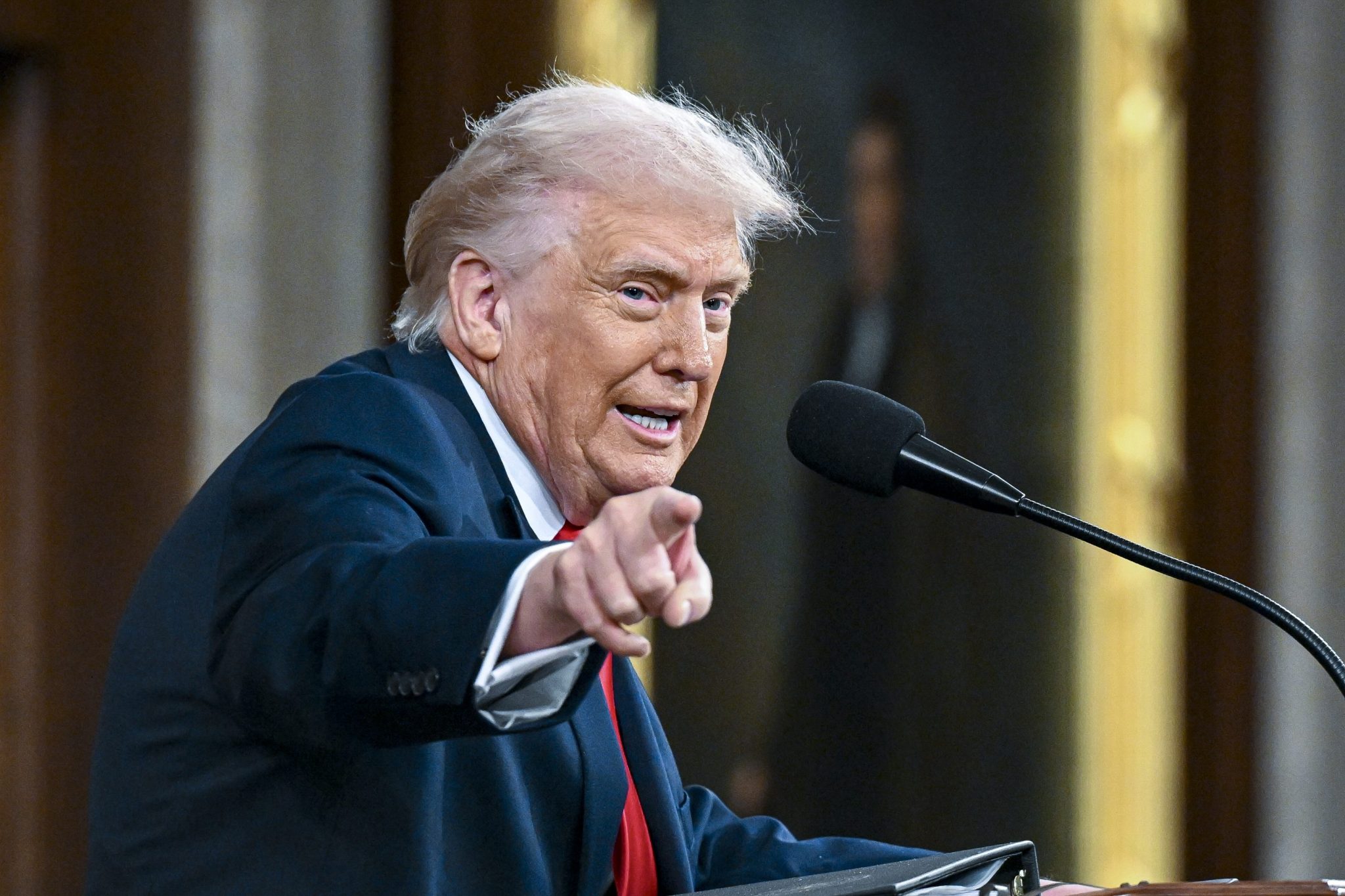
The recent State of the Union address saw President Donald Trump introduce a new federal initiative designed to boost retirement savings for American workers. This proposal offers an annual federal match of up to $1,000 for individuals who currently lack access to employer-sponsored 401(k) programs, a move presented as a significant step towards enhancing financial security. However, this initiative emerges amidst a challenging economic landscape where a growing number of Americans are reportedly facing significant financial strain, compelling them to access their existing retirement funds merely to cover essential living expenses. According to reports, this disconnect between policy aims and the immediate financial struggles of many households raises questions about the practical impact of such a program, particularly for those who find it difficult to even accumulate the initial funds necessary to qualify for the proposed match. The underlying reality, sources indicate, is that a substantial portion of the workforce is not in a position to invest, but rather to withdraw.
Despite President Trump's characterization of a "roaring" economy during his address, a substantial segment of the American populace appears to be experiencing considerable economic pressure. This sentiment is starkly contrasted with official pronouncements of prosperity, as many households grapple with persistent financial insecurity. Data from Bank of America indicates that close to one-fourth of all households across the United States are currently operating on a paycheck-to-paycheck basis, highlighting a widespread struggle for financial stability that predates the new retirement savings proposal. This economic backdrop forms the critical context for understanding the challenges inherent in encouraging new savings. For individuals living on the financial edge, the concept of setting aside an additional $1,000 annually to receive a federal match becomes a distant aspiration rather than an achievable goal, underscoring a fundamental disconnect between policy design and the lived economic realities of a significant portion of the population.
Further illustrating the depth of current financial challenges, a recent report from Vanguard, titled "How America Saves 2026," reveals a concerning trend: a record proportion of its 401(k) plan participants resorted to hardship withdrawals. This figure climbed to 6% last year, an increase from 5% in the preceding year, signaling a rising reliance on retirement savings for immediate financial needs. Federal Reserve data further underscores a widening economic disparity, showing that middle-class households now command a smaller share of national income, while the wealthiest 1% have reportedly doubled their portion of the economic pie, accumulating nearly $54 trillion in total wealth. This growing chasm impacts the ability of average Americans to save, with many individuals reporting feeling trapped in their financial status, struggling to ascend beyond middle-class standing even after years of dedicated saving. Furthermore, the purchasing power of six-figure incomes has diminished in certain U.S. states, where such earnings no longer automatically qualify as upper-class, largely due to persistent inflationary pressures impacting household budgets.
The implementation of SECURE 2.0 legislation has, paradoxically, streamlined the process for accessing retirement funds, enabling individuals to self-certify their eligibility for IRS requirements, thereby reducing paperwork and accelerating the withdrawal process. While intended to offer flexibility, this ease of access, coupled with economic pressures, may inadvertently contribute to the trend of increased hardship withdrawals. Nevertheless, Vanguard notes that this self-certification provision is currently offered by only 3% of plans, limiting its widespread impact despite the legislative intent. This situation contributes to what analysts describe as a "K-shaped" retirement savings environment, characterized by a growing divergence in financial security between high-income and low-income savers. Experts suggest that for a federal match program to be truly effective, it must address the root causes of financial precarity, rather than solely incentivizing savings for those already able to set money aside. The current economic climate suggests that many Americans are not just struggling to save, but struggling to survive without dipping into their future security.
In summary, President Trump's new federal 401(k) match proposal, while aiming to bolster retirement savings, faces a significant uphill battle against the prevailing economic realities experienced by a substantial portion of the American workforce. The initiative's success hinges on individuals having disposable income to invest, a luxury increasingly out of reach for nearly a quarter of U.S. households living paycheck to paycheck. The record number of hardship withdrawals and the widening wealth gap, as indicated by Vanguard and Federal Reserve data, paint a picture of an economy where immediate financial survival often takes precedence over long-term savings. Moving forward, observers will be watching to see how policymakers address this fundamental tension, and whether future economic strategies can effectively bridge the gap between aspirational savings programs and the urgent financial needs of everyday Americans, particularly amidst ongoing inflationary pressures and persistent income inequality.