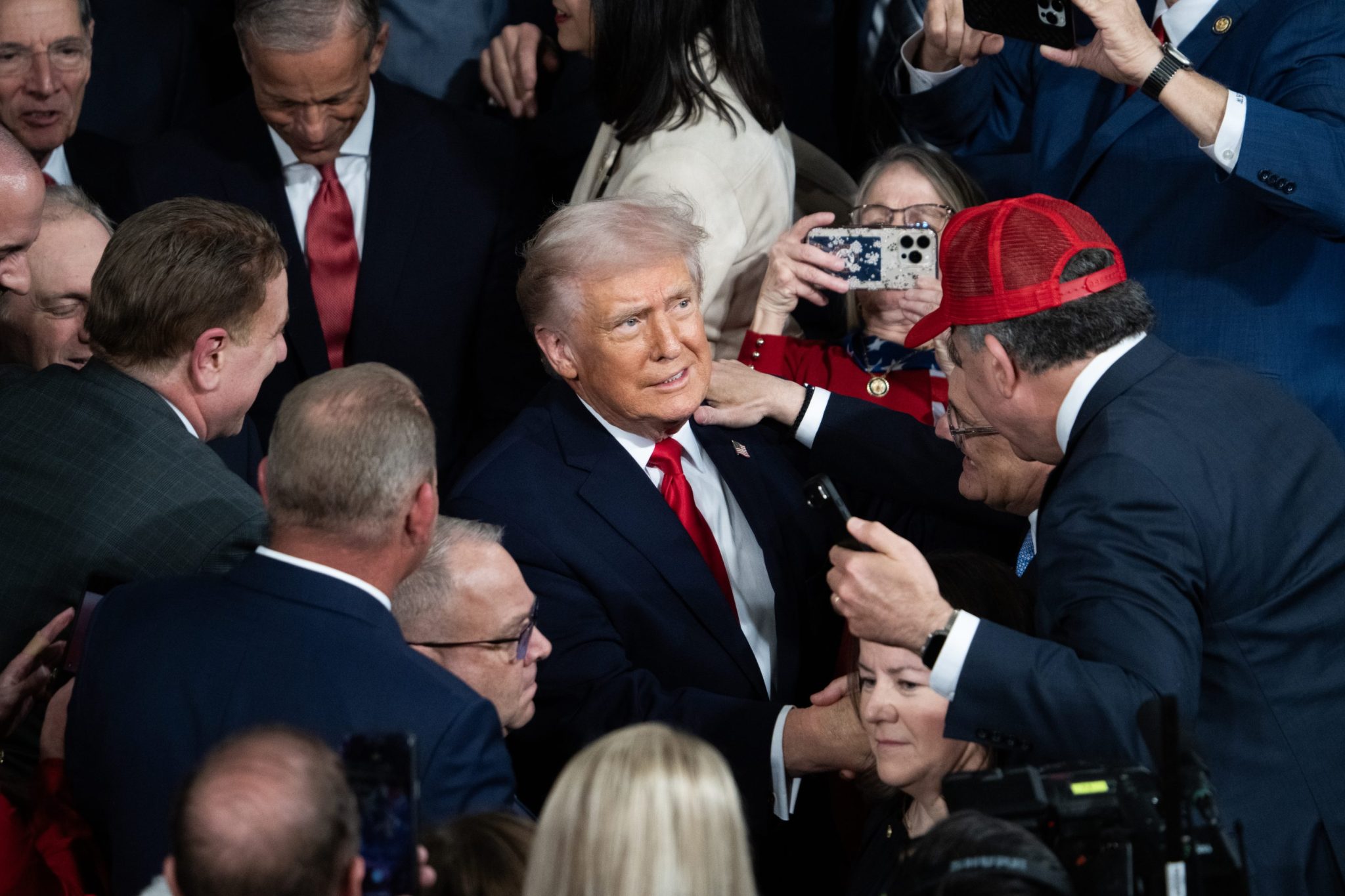
The Trump administration has put forth a significant initiative aimed at broadening retirement savings access for millions of Americans currently without employer-sponsored plans. President Donald Trump formally introduced this proposal during a recent State of the Union address, specifically targeting an estimated 54 million adults who lack access to workplace retirement accounts, according to official statements. This strategic move emerges against a backdrop of increasing national apprehension regarding retirement security, exacerbated by escalating living expenses and troubling forecasts. Reports indicate that one of the two crucial Social Security trust funds could face depletion as early as 2032, underscoring the urgency of fostering greater personal savings. The administration's plan seeks to empower a substantial segment of the workforce to build financial resilience for their later years, thereby mitigating potential future strains on public safety nets and individual well-being. This effort represents a direct response to a looming demographic and economic challenge, aiming to provide a pathway to financial stability for a demographic often overlooked by traditional retirement schemes.
The impetus behind this ambitious retirement savings proposal stems from a deepening national crisis in financial preparedness for old age. For years, economists and policy makers have highlighted the widening gap between the savings Americans possess and the funds they will require to maintain their standard of living post-employment. Rising inflation and the increasing cost of essential services, from healthcare to housing, have further eroded the purchasing power of existing savings and made it more challenging for individuals to set aside funds. The stark projection concerning the Social Security trust fund, which, according to various analyses, could be exhausted within the next decade, adds a critical layer of urgency to these discussions. This potential depletion would significantly impact millions of retirees who rely on these benefits, making robust personal savings mechanisms more vital than ever. The administration's "universal 401(k)" concept, as it has been colloquially termed, is positioned as a proactive measure to avert a broader retirement crisis by extending opportunities to those who currently fall through the cracks of the existing system.
A key challenge identified by those close to the initiative's development, including the architects behind the proposed universal 401(k) framework, revolves around public perception and trust, particularly among lower-income demographics. Insights from experts involved in crafting the outreach strategy suggest a significant hurdle lies in overcoming skepticism. Many individuals, especially those with limited financial literacy or prior negative experiences, tend to view new financial products with caution, often questioning underlying motives. As one architect of the plan reportedly observed, lower-income individuals frequently approach such retirement accounts with a fundamental question: "they want to know what the catch is." This sentiment highlights a critical barrier to adoption, indicating that simply offering a savings vehicle may not suffice. Effective communication and transparent assurances about the benefits and simplicity of the program will be paramount to encourage participation among the targeted 54 million adults, many of whom may harbor deep-seated distrust in financial institutions or complex investment schemes.
The success of any widespread retirement savings initiative, particularly one targeting previously underserved populations, hinges not only on its structural design but also on its ability to resonate with and gain the confidence of its intended beneficiaries. The reported skepticism among lower-income individuals, who often perceive a "catch" in seemingly beneficial financial offerings, underscores a profound challenge in financial inclusion. This distrust is frequently rooted in historical experiences, lack of accessible financial education, and a perceived complexity that alienates potential savers. Experts in behavioral economics suggest that for such a universal 401(k) to achieve its goals, it must be designed with extreme simplicity, transparency, and perhaps even default enrollment mechanisms, coupled with robust educational campaigns that clearly articulate the long-term advantages without overwhelming participants. Overcoming this psychological barrier is as crucial as the economic incentives themselves, requiring a nuanced approach that builds trust and demonstrates tangible, understandable benefits to individuals who may prioritize immediate financial needs over distant retirement goals.
In conclusion, the Trump administration's proposal to expand retirement savings marks a significant attempt to address a pressing national concern regarding financial security for millions of Americans. By targeting the estimated 54 million adults currently without workplace retirement plans, the initiative aims to bolster individual preparedness amidst rising living costs and the anticipated depletion of a Social Security trust fund. However, the path to widespread adoption is fraught with challenges, notably the inherent distrust and skepticism among lower-income populations, as highlighted by those involved in the plan's development. Future success will depend heavily on crafting a program that is not only accessible and beneficial but also effectively communicates its value, dispelling fears of a "catch" and fostering genuine confidence among its target demographic. Observers will be watching closely to see how these behavioral and communication hurdles are addressed in the implementation phase, as the long-term financial well-being of a substantial portion of the American workforce hangs in the balance.