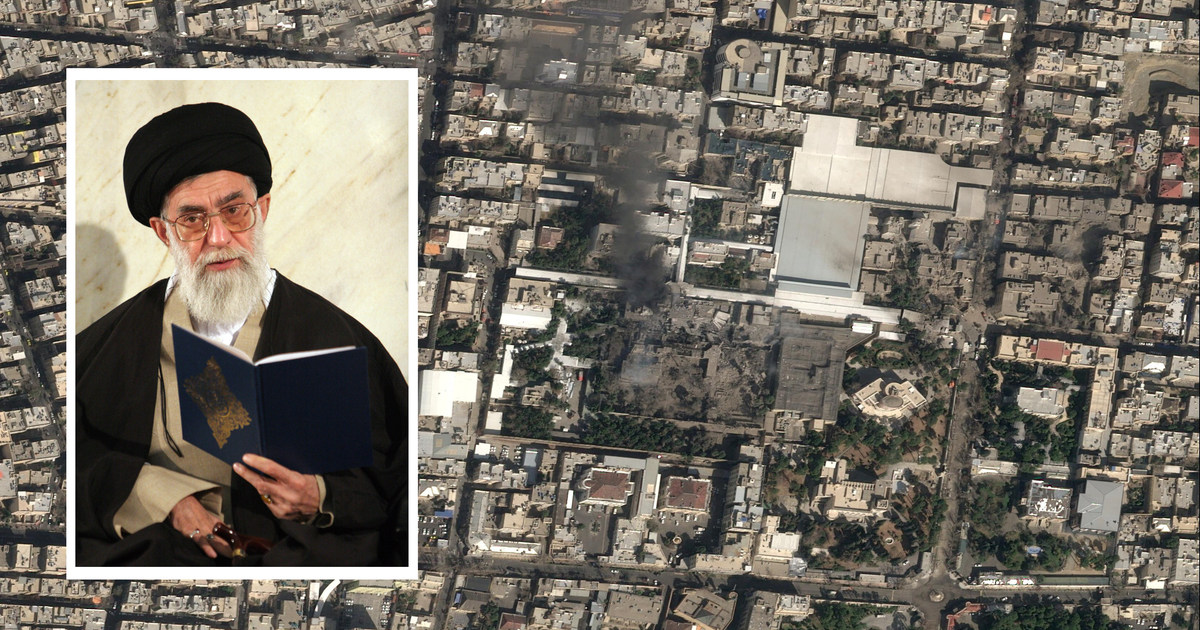
In a dramatic escalation of geopolitical tensions across the Middle East, the United States and Israel jointly announced the commencement of a significant military operation directed at Iran in the early hours of Saturday. This coordinated action follows a period marked by heightened rhetoric from President Trump, who had previously issued stern warnings to the Iranian government concerning its nuclear program and its suppression of internal dissent. President Trump subsequently confirmed the intervention in a video statement disseminated via his Truth Social platform, indicating that the U.S. was actively engaged in "major combat operations." Reports suggest the scope of this intervention is extensive, signaling a pivotal shift in the regional power dynamics and potentially ushering in a new phase of conflict. The joint nature of the announcement underscores a unified front from Washington and Jerusalem regarding the perceived threats emanating from Tehran, setting the stage for widespread international reactions and profound implications for global stability.
This substantial military undertaking emerges after weeks of escalating diplomatic and rhetorical pressure from the Trump administration directed at the Iranian regime. Official statements and public addresses had consistently highlighted two primary areas of concern: Iran's persistent pursuit of nuclear capabilities, which many international bodies and allied nations view as a destabilizing force, and the Iranian government's handling of domestic protests and internal opposition. These long-standing grievances have fueled a volatile relationship between the U.S. and Iran, characterized by sanctions, proxy conflicts, and a continuous cycle of threats and counter-threats. The decision to launch a joint operation with Israel, a nation historically at odds with Iran and deeply concerned by its regional influence and nuclear ambitions, signifies a culmination of these tensions. This move represents a decisive shift from diplomatic warnings to direct military engagement, marking a critical juncture in the complex history of Middle Eastern geopolitics and the broader international effort to contain Iran's strategic objectives.
President Trump's confirmation of "major combat operations" through his social media channel provided an initial, albeit broad, indication of the severity and scale of the intervention. While specific details regarding targets, methods, or duration of the operation were not immediately disclosed in the early reports, the phrase itself suggests a significant commitment of military resources and a potentially wide-ranging engagement. The joint announcement by the United States and Israel further amplifies the strategic weight of this action, demonstrating a unified approach to what they perceive as critical security threats. Such a coordinated effort between two key regional actors against Iran is unprecedented in recent memory and sends a powerful message about their resolve. The extensive nature of the intervention, as described by President Trump, implies that the operation is not merely a limited strike but could encompass various military objectives aimed at degrading Iranian capabilities or deterring future actions, though further specifics remain awaited from official channels.
Analysts and international observers are now grappling with the profound implications of this military escalation. The initiation of "major combat operations" against Iran by the U.S. and Israel is widely expected to trigger a significant and potentially unpredictable response from Tehran, which has consistently vowed to retaliate against any perceived aggression. This could manifest in various forms, including cyberattacks, missile strikes against regional assets, or actions by proxy groups in the Middle East, further destabilizing an already volatile region. The move also carries substantial geopolitical risks, potentially impacting global energy markets, international shipping lanes, and diplomatic efforts to de-escalate tensions. Experts suggest that this operation could redefine the strategic landscape of the Middle East, forcing other regional and global powers to reassess their alliances and policies. The long-term consequences for international relations and the prospects for peace in the region remain highly uncertain, prompting urgent calls for restraint and de-escalation from the international community.
In summary, the early Saturday announcement of a joint U.S. and Israeli military operation targeting Iran marks a critical turning point in Middle Eastern affairs, directly confirmed by President Trump as involving "major combat operations." This decisive action follows weeks of heightened rhetoric focused on Iran's nuclear program and internal dissent, signaling a dramatic shift from diplomatic pressure to direct military engagement. The extensive nature of the intervention, as indicated by President Trump, underscores the gravity of the situation and its potential to reshape regional dynamics. As the international community closely monitors developments, attention will now turn to official statements from all involved parties, the nature of any Iranian response, and the broader diplomatic efforts to manage what could become a protracted and far-reaching conflict. The coming days are expected to bring further clarity regarding the scope and objectives of this significant military undertaking and its immediate aftermath.