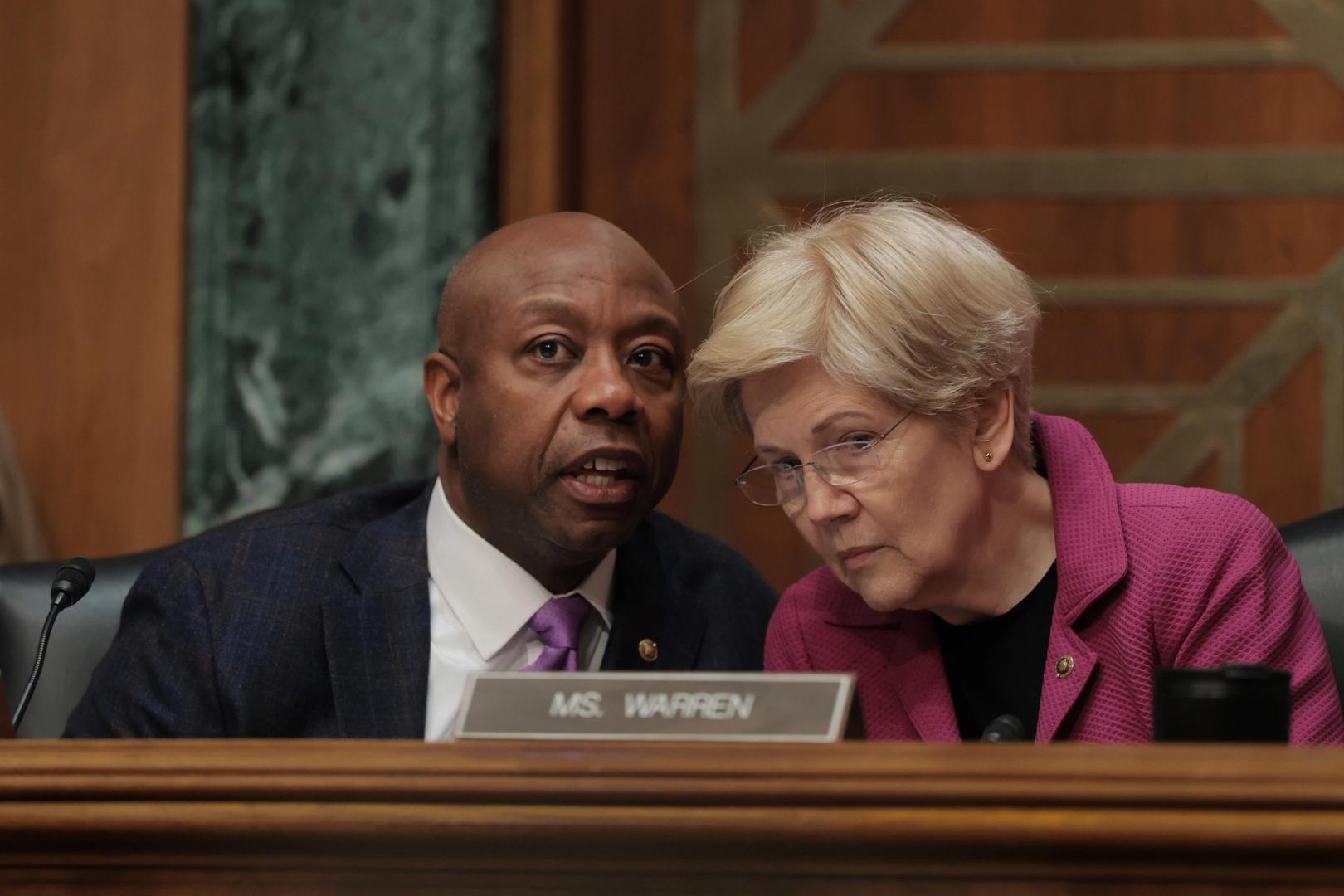
A recently introduced bipartisan legislative package in the U.S. Senate, primarily aimed at addressing the nation's housing challenges, contains a notable provision that would temporarily prohibit the Federal Reserve from developing or issuing a central bank digital currency (CBDC). The bill, known as the "21st Century ROAD to Housing Act," was unveiled by the Senate Committee on Banking, Housing and Urban Development. According to reports, the measure, championed by Committee Chairman Tim Scott, a Republican from South Carolina, and Ranking Member Elizabeth Warren, a Democrat from Massachusetts, seeks to streamline housing development and enhance accessibility to homeownership across the United States. However, embedded within its comprehensive framework is a clause that would prevent the Federal Reserve from introducing a digital dollar or any substantially similar digital asset until the end of 2030, marking a significant intervention into the ongoing debate surrounding digital finance policy.
The core objective of the "21st Century ROAD to Housing Act," as articulated by its sponsors, is to alleviate the current housing crisis by fostering an environment conducive to increased construction and affordability. Chairman Scott emphasized that the legislation is designed to reduce regulatory burdens, decrease costs associated with building, and expand the overall housing supply without necessitating new government expenditures. He highlighted the bill's potential to broaden economic opportunities and make the aspiration of homeownership more attainable for individuals and families, drawing a personal connection to his upbringing. Senator Warren, in her statement, underscored the bill's comprehensive nature, noting its incorporation of elements from the previously unanimously supported "ROAD to Housing Act" and bipartisan proposals from the House of Representatives, alongside measures intended to curb the influence of large corporate landlords on the housing market. Despite these broad housing-focused statements, neither lawmaker explicitly mentioned the digital currency prohibition, which represents a distinct policy departure from the bill's primary housing agenda.
The specific language concerning the central bank digital currency prohibition is detailed within a concise two-page section of the extensive 303-page legislative document. This provision explicitly states that neither the Board of Governors of the Federal Reserve System nor any Federal Reserve bank would be permitted to issue or create a central bank digital currency, or any digital asset deemed substantially similar, whether directly or indirectly through financial institutions or other intermediaries. This temporary ban is set to expire on December 31, 2030, indicating a sunset clause rather than an indefinite prohibition. Observers note that this is not the first instance of lawmakers attempting to introduce such a ban; similar provisions have appeared in previous legislative proposals. Last year, the House of Representatives successfully passed a standalone bill containing a comparable CBDC ban, though it ultimately did not advance through the entire congressional process to become law, underscoring the persistent legislative interest in this area.
The inclusion of a temporary CBDC ban within a major housing bill signals a strategic legislative maneuver, reflecting ongoing concerns among some policymakers regarding the implications of a digital dollar. Analysts suggest that proponents of such a ban often cite potential issues related to privacy, the scope of government control over financial transactions, and the potential disruption to the existing commercial banking system. There are also arguments that a government-issued digital currency could stifle innovation in the private sector, particularly concerning stablecoins and other cryptocurrencies. By attaching this provision to a bipartisan housing bill, which typically garners broad support due to its focus on a pressing national issue, lawmakers may be seeking to increase its chances of passage through Congress. However, the lack of public commentary on the CBDC aspect from the bill's lead sponsors suggests that while it is a significant policy item, it is not the primary focus being presented to the public, potentially allowing it to advance with less immediate scrutiny than a standalone bill might receive.
As the "21st Century ROAD to Housing Act" progresses through the legislative pipeline, its dual nature — addressing critical housing needs while simultaneously imposing a moratorium on the Federal Reserve's digital currency initiatives — will likely draw increasing attention. The temporary nature of the CBDC ban, with its clear sunset date, suggests a desire to pause and evaluate the implications of a digital dollar rather than a permanent rejection. Stakeholders in the financial technology sector, privacy advocates, and traditional banking institutions will undoubtedly be closely monitoring the bill's journey through Congress. The ultimate fate of this provision, whether it remains intact, is modified, or is removed, will have significant ramifications for the future of digital finance in the United States and the Federal Reserve's ongoing exploration of a potential digital currency.