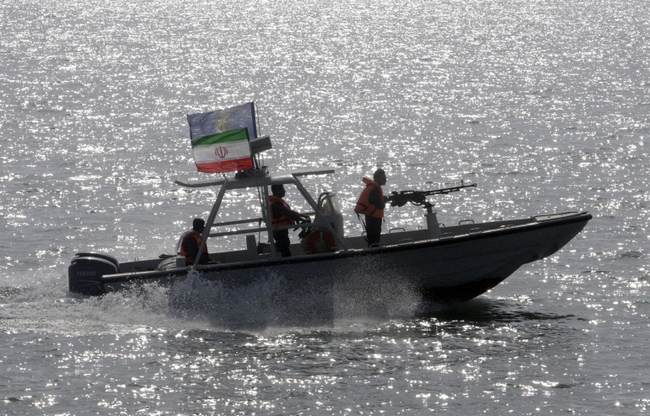
The Islamic Republic of Iran is increasingly viewed not only as a regional security concern but also as a substantial economic risk to global stability, particularly impacting the United States and its allies. According to recent assessments, this economic vulnerability stems primarily from the Middle East's pivotal geographical position and its immense reserves of oil and natural gas. The region serves as a crucial global energy hub, with numerous nations, including Iran itself, being major producers whose vital resources traverse international waters to reach markets across Europe, the U.S., and Asia. Central to this concern are two strategically critical maritime passages: the Strait of Hormuz and the Bab al Mandeb Strait. These narrow waterways represent indispensable arteries for international commerce and energy shipments, making any potential disruption a matter of profound global economic consequence. The perceived threat from Iran, therefore, extends beyond conventional security paradigms, deeply intertwining with the intricate web of global trade and energy supply chains.
The Middle East's unparalleled significance in the global energy landscape provides the essential context for understanding the economic dimensions of tensions involving Iran. Situated at the crossroads of continents, the region is a colossal reservoir of both crude oil and natural gas, resources indispensable for industrial operations, transportation, and daily life worldwide. This abundance has positioned several Middle Eastern countries as primary suppliers to international markets, creating a complex interdependence between regional stability and global economic health. The vast quantities of energy products originating from this area must navigate specific maritime routes to reach their destinations, underscoring the vulnerability inherent in these supply lines. Historically, control or influence over these transit points has been a source of geopolitical leverage, and the current focus on Iran's role highlights enduring concerns about the security of these vital economic conduits. The sheer volume of global trade and energy flows dependent on these routes elevates any potential for disruption to an issue of international economic security.
Detailed analysis reveals the immense economic stakes associated with these two critical maritime choke points. The Strait of Hormuz, a narrow passage situated between Iran and Oman, functions as an indispensable artery for the world's oil trade. Projections indicate that approximately 13 million barrels of oil per day are expected to transit through this strait by 2025, accounting for an estimated 31 percent of all seaborne crude oil flows globally. Further south, the Bab al Mandeb Strait, located between Yemen and Djibouti, offers another critical pathway. This waterway provides access from the Red Sea to the Mediterranean via the Suez Canal, serving as a conduit for a significant portion of worldwide trade, estimated at 12 to 15 percent. Reports suggest that around 30 percent of global container traffic passes through Bab al Mandeb, with goods valued at over $1 trillion annually. In early 2023, approximately 9 percent of global seaborne oil flows, totaling about 9.2 million barrels daily, and roughly 8 percent of liquefied natural gas volumes utilized this route. On an average day, between fifty and sixty vessels navigate the canal, carrying cargo estimated to be worth between $3 billion and $9 billion.
The implications of potential instability or deliberate disruption at these critical maritime junctures are far-reaching, extending beyond immediate regional conflicts to impact the global economy profoundly. Expert perspectives suggest that any significant impediment to transit through the Strait of Hormuz or the Bab al Mandeb Strait could trigger severe repercussions across international energy markets, leading to sharp increases in oil and gas prices, supply shortages, and considerable economic uncertainty worldwide. Such an event would not only affect energy-importing nations but also ripple through global supply chains, disrupting the movement of manufactured goods and raw materials. For the United States and its allies, maintaining the free flow of commerce through these choke points is a paramount strategic interest, underscoring the economic rationale behind their engagement in the region. The perceived economic threat posed by Iran, therefore, translates into a significant foreign policy consideration, influencing diplomatic efforts and security postures aimed at safeguarding global trade and energy security.
In conclusion, the economic dimensions of geopolitical tensions in the Middle East, particularly concerning Iran's influence, are undeniably significant. The region's role as the world's primary energy supplier, coupled with the strategic vulnerability of key maritime choke points like the Strait of Hormuz and the Bab al Mandeb, highlights a critical nexus between regional stability and global economic welfare. The vast volumes of oil, natural gas, and general cargo transiting these waterways underscore their indispensable nature for international commerce. As global economies remain heavily reliant on these arteries, ongoing vigilance and diplomatic efforts will be essential to mitigate risks and ensure the uninterrupted flow of trade. The economic stakes involved mean that developments in this volatile region will continue to warrant close attention from policymakers, businesses, and consumers worldwide, as the security of these passages directly impacts global prosperity.