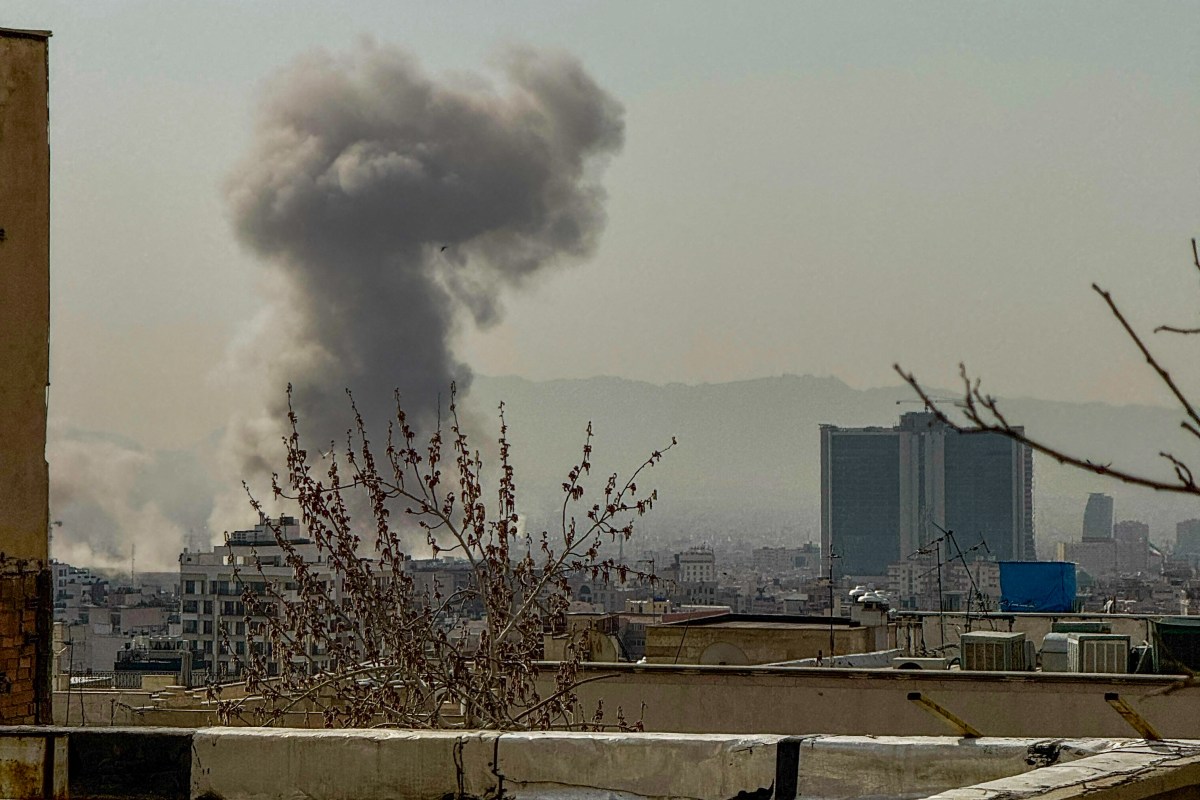
U.S. Central Command (CENTCOM) on Saturday publicly released previously unclassified video footage showcasing missile launches and fighter jets deploying as part of a significant military initiative dubbed "Operation Epic Fury." Officials stated that this operation involved American and allied forces successfully repelling numerous missile and drone assaults originating from Iran, with no reported combat casualties or injuries among U.S. personnel. This multifaceted engagement, which CENTCOM described as representing the most substantial regional concentration of American military power in a generation, unfolded against a backdrop of escalating tensions. The U.S.-led strikes, conducted in conjunction with Israel, commenced early Saturday morning, targeting multiple locations within Iran. According to reports from Iran's Red Crescent, conveyed via state television, these strikes resulted in at least 200 fatalities and over 740 injuries. Following these initial assaults, the Islamic Republic launched retaliatory attacks against various U.S. military installations across the Middle East, signaling a significant widening of the ongoing conflict.
The recent military actions represent a dramatic intensification of hostilities, occurring shortly after a period of delicate nuclear negotiations between Washington and Tehran. This sharp escalation significantly heightens the potential for a broader regional conflict, drawing in multiple actors. The current situation is further complicated by a substantial U.S. military buildup in the Middle East, which analysts characterize as the most extensive deployment of American forces since the 2003 Iraq War. This deployment includes additional warships, advanced aircraft, and sophisticated air defense systems, contributing to what CENTCOM has termed the "largest regional concentration of American military firepower in a generation." The strategic importance of this buildup underscores the gravity of the current situation, as both sides appear to be positioning themselves for potential further engagements, raising concerns about the stability of the entire Middle East and the potential for a protracted, multi-front confrontation that could have far-reaching international consequences.
In a series of communications on the social media platform X, CENTCOM provided further insights into "Operation Epic Fury." One post featured a video compilation illustrating various aspects of the military endeavor, including the dramatic launch of missiles and fighter jets taking off from aircraft carriers, alongside footage depicting successful strikes against Iranian targets. The accompanying caption declared, "The President ordered bold action. CENTCOM forces are delivering an overwhelming and unrelenting blow," emphasizing the decisive nature of the operation. In a subsequent post, CENTCOM elaborated on the specifics, indicating that "U.S. and partner forces began striking targets at 1:15 am ET to dismantle the Iranian regime’s security apparatus, prioritizing locations that posed an imminent threat." These targets reportedly included critical Islamic Revolutionary Guard Corps (IRGC) command and control facilities. Meanwhile, reports from the local governor in southern Iran indicated that the death toll from the strikes was expected to rise, with over 85 individuals reportedly killed at a girl's school alone, highlighting the devastating human cost of the conflict.
The unfolding events carry profound implications for regional stability and international relations. Analysts suggest that the direct exchange of strikes between the U.S. and Iran, even with partner involvement, marks a dangerous new phase in their long-standing antagonism. This escalation moves beyond proxy conflicts and cyber warfare, directly challenging established red lines and increasing the risk of miscalculation. The U.S. military's substantial deployment, described as unprecedented in decades, signals a firm commitment to deterring further Iranian aggression, but also creates a more volatile environment where any incident could trigger a wider conflagration. Experts are closely monitoring the potential for non-state actors or other regional powers to be drawn into the fray, further complicating efforts to de-escalate. The impact on global energy markets and shipping lanes, particularly through the Strait of Hormuz, also remains a significant concern, with potential economic repercussions extending far beyond the immediate conflict zone.
In summary, "Operation Epic Fury" represents a critical juncture in the volatile relationship between the United States and Iran, characterized by U.S.-led strikes, Iranian retaliation, and a significant military buildup. While CENTCOM reports no American casualties, the human toll in Iran is substantial and continues to climb, according to local sources. The immediate aftermath has seen a clear widening of the conflict, with both sides demonstrating a readiness to engage militarily. The coming days will be crucial in determining whether diplomatic efforts can regain traction or if further retaliatory cycles will push the region closer to a full-scale war. Observers will be watching for any additional military movements, official statements from all involved parties, and the international community's response to this rapidly evolving and highly dangerous situation.