Washington D.C. is currently gripped by an urgent congressional response following a significant military operation targeting Iran, which resulted in the deaths of prominent Iranian figures, including Ayatollah Ali Khamenei. The overnight strike, reportedly a joint effort involving the United States and Israel, has reignited a contentious debate within the Capitol regarding President Donald Trump's executive authority in deploying military force. Lawmakers are scrambling to get up to speed on the rapidly evolving situation, with congressional leaders from both chambers working to facilitate comprehensive briefings for their members. This swift escalation, identified internally as 'Operation Epic Fury,' has prompted immediate concerns among some officials that the United States could be drawn into a prolonged engagement, potentially endangering American service members stationed in the region. The gravity of targeting such high-ranking officials underscores a dramatic shift in the geopolitical landscape, demanding immediate clarity and strategic foresight from the administration and legislative bodies alike, according to various reports and statements from Capitol Hill.
The recent military action, a collaborative endeavor between American and Israeli forces, marks a profound escalation in the long-standing tensions between the United States and Iran. The operation's primary objective, as indicated by sources familiar with the matter, was the elimination of top Iranian leadership, most notably Ayatollah Ali Khamenei. This targeting of a figure of such national and religious significance is unprecedented in recent history, signaling a decisive and aggressive posture from the Trump administration. The codename 'Operation Epic Fury' itself suggests the deliberate and impactful nature of the strike. Historically, US-Iran relations have been fraught with periods of intense hostility, but this direct engagement against high-level officials moves beyond previous proxy conflicts or sanctions-based pressures. The immediate aftermath has already seen reported Iranian retaliation across the region, further cementing fears among international observers and some US lawmakers that this event could precipitate a broader, more destabilizing conflict in the Middle East, with unpredictable consequences for global security.
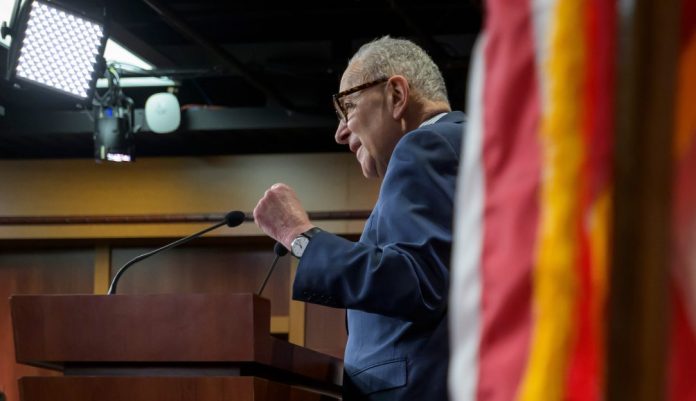
In the wake of the strike, congressional activity has intensified dramatically, with leaders on both sides of the aisle working to address the fallout. Republicans in both the House and Senate are collaborating closely with the Trump administration to organize all-member briefings, which are tentatively scheduled for the upcoming week. In the interim, smaller groups of lawmakers are receiving more immediate updates, with specialized briefings arranged for key committees over the weekend. Conversely, Democrats are pushing for greater transparency and accountability. Senate Minority Leader Chuck Schumer, for instance, has urgently called for the Senate to reconvene without delay to consider a resolution aimed at asserting congressional war powers. Furthermore, Senator Schumer has demanded that administration officials provide the public with comprehensive updates on the military operation through open congressional hearings. He stated, "The administration has not provided Congress and the American people with critical details about the scope and immediacy of the threat," emphasizing the necessity for an "immediate all senators classified briefing and in public testimony, to answer these vital questions." Despite the Senate's scheduled return on Monday and the House on Wednesday, emergency calls are already underway, including a Sunday afternoon meeting for House Republicans and a Sunday evening Zoom conference for Democrats, according to sources.
The ramifications of this military operation extend far beyond the immediate tactical success, prompting a critical re-evaluation of US foreign policy and the balance of power between the executive and legislative branches. The strike has undeniably rekindled the perennial debate over presidential war powers, with Democrats poised to introduce legislation designed to constrain President Trump's ability to engage militarily with Iran without explicit congressional approval. However, early indications suggest that such legislative efforts may face an uphill battle. Reports indicate that a significant number of Republicans, alongside a handful of Democrats, have publicly voiced their support for the strikes, making it improbable that any war powers resolutions will garner sufficient bipartisan backing to pass. Analysts suggest that this division within Congress reflects a broader national uncertainty regarding the appropriate response to perceived threats from Iran. The primary concern among many, regardless of political affiliation, is the potential for the United States to become entangled in a protracted conflict, which could place American military personnel in heightened danger and further destabilize an already volatile region, demanding careful strategic consideration of every subsequent move.
As Washington grapples with the aftermath of the targeted strike against top Iranian leadership, the immediate future remains uncertain and fraught with potential for further escalation. The coming days will be crucial, with congressional leaders working to brief their members and potentially debate resolutions concerning presidential war powers. While the administration asserts the necessity of its actions, the demand for transparency and accountability from Congress, particularly from Democratic leadership, remains strong. The prospect of a protracted conflict looms large, and the international community will be closely watching for both further Iranian responses and the diplomatic efforts, or lack thereof, from the United States. The political divisions within Congress over this military action highlight the profound challenges in forging a unified national security strategy. All eyes will be on the scheduled congressional briefings and any subsequent legislative attempts to either endorse or constrain the President's authority, as the nation navigates this perilous new chapter in its relationship with Iran.