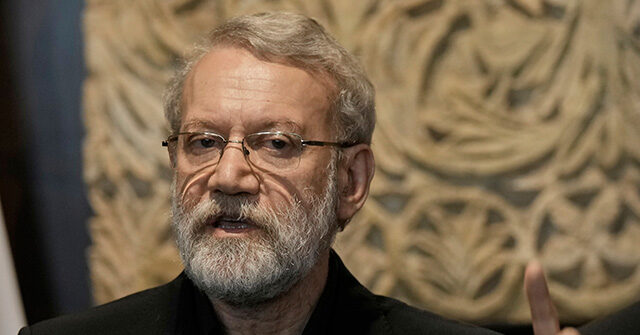
Conflicting reports have emerged regarding the diplomatic stance of Ali Larijani, the current Secretary of Iran's Supreme National Security Council, who is widely perceived as the nation's leading figure following the recent 'liquidation' of Ayatollah Ali Khamenei during 'Operation Epic Fury.' While Larijani publicly asserted on social media his steadfast refusal to engage in any negotiations with the United States, independent reports surfaced on Sunday indicating a contrasting reality. These accounts suggest that Larijani has, in fact, initiated discreet overtures through Omani intermediaries, signaling a potential willingness to resume critical nuclear discussions. This apparent dual strategy, combining public defiance with private diplomacy, underscores the complex and often opaque nature of Iranian foreign policy, particularly in the aftermath of significant internal leadership shifts. The reported outreach through Oman, a long-standing regional mediator, highlights a potential pathway for de-escalation and dialogue on one of the most contentious international issues.
The backdrop to these developments is a period of profound transition within Iran's political landscape. Ali Larijani's ascent to his current influential position, seemingly as the de facto leader, follows the dramatic events surrounding 'Operation Epic Fury,' which reportedly culminated in the 'liquidation' of the long-reigning Supreme Leader, Ayatollah Ali Khamenei. This seismic shift in power dynamics has left the international community closely monitoring Iran's future direction, particularly concerning its nuclear ambitions and its relationship with Western powers. Historically, relations between Tehran and Washington have been fraught with tension, marked by sanctions, proxy conflicts, and a persistent standoff over Iran's nuclear program. Previous attempts at dialogue, notably the Joint Comprehensive Plan of Action (JCPOA), have seen periods of engagement followed by withdrawal and renewed hostilities. The reported willingness of a figure as prominent as Larijani to explore renewed talks, even discreetly, carries significant weight and could signal a new chapter in this enduring geopolitical saga, potentially driven by internal pressures or a strategic reassessment of Iran's international posture.
Details surrounding Larijani's public and private communications reveal a carefully orchestrated approach. On one hand, his social media pronouncements, explicitly stating an unwavering refusal to negotiate with the United States, are widely interpreted as a message primarily aimed at a domestic audience. Such declarations serve to project strength and ideological steadfastness, crucial for maintaining internal legitimacy and consolidating power, especially in the wake of significant leadership changes. On the other hand, reports emerging on Sunday indicate a starkly different diplomatic track. These accounts suggest that Larijani's representatives have quietly engaged with Omani officials, leveraging Oman's established role as a neutral facilitator in regional diplomacy. The specific objective of these reported confidential communications is the resumption of nuclear talks, a critical subject that has historically been at the heart of US-Iran tensions. While specific data points or direct quotes from involved parties remain undisclosed in these initial reports, the consistent mention of Oman as the intermediary lends credibility to the notion of a genuine, albeit covert, diplomatic effort, indicating a potential strategic flexibility beneath the public rhetoric.
Analysts suggest that Larijani's seemingly contradictory actions—publicly rejecting negotiations while privately seeking them—could be a calculated strategy to navigate complex internal and external pressures. Domestically, a hardline stance against the United States might be essential for consolidating power and appeasing conservative factions following the dramatic leadership transition. Internationally, however, a complete refusal to engage could lead to further isolation and economic hardship, especially if the new leadership seeks to stabilize the country and alleviate sanctions. Expert perspectives indicate that using an intermediary like Oman allows Iran to explore diplomatic avenues without appearing to capitulate to US demands, thereby saving face and maintaining a strong negotiating position. This dual approach could also be a test of US intentions, probing whether Washington is genuinely open to dialogue or merely seeking to exert maximum pressure. The broader implications of such a move could range from a renewed push for a revised nuclear agreement to a more stable, albeit still tense, regional security environment, depending on the sincerity and political will demonstrated by both sides in any potential future discussions.
The unfolding situation surrounding Ali Larijani's reported diplomatic maneuvers presents a critical juncture for US-Iran relations and regional stability. The stark contrast between his public declarations and the confidential outreach through Omani channels underscores the intricate layers of Iranian foreign policy, particularly as the nation navigates a post-Khamenei era. What remains to be seen is whether these reported discreet communications will translate into tangible, official dialogue, or if they represent a temporary probing of international waters. Observers will be closely watching for any official confirmations from Tehran, Washington, or Muscat, as well as any shifts in rhetoric or policy from either side. The potential resumption of nuclear talks, however tentative, could offer a crucial pathway towards de-escalation and a more predictable future for a region perpetually on edge, making the verification and progression of these reports a matter of significant international importance.